Mental health affects our quality of life, well-being, and ability to cope with everyday challenges. Taking care of it helps maintain emotional balance, improve relationships with others, and increase productivity at work and in education.
During the briefing, experts emphasized the particular importance of paying attention to the mental and psychological well-being of the younger generation, as this is one of the key factors underlying a healthy nation.
However, according to statistics, for various reasons the number of young people suffering from mental and psychological disorders is increasing.
In this context, it was noted that Uzbekistan has developed a National Action Plan to Improve the Mental Health of Children and Adolescents for 2023–2026. An important step has been the introduction of the position of school psychologist in all general education institutions across the country. At the same time, a number of issues requiring urgent resolution still remain.
One of these is changing society’s attitude toward the topic of mental health. At present, unfortunately, young people and their parents very often consider it improper to talk about problems related to emotional distress. As a result, when experiencing stress or depression, they do not seek help because they fear that society will “look at them askance” or even reject them altogether. And when a topic is subject to an unspoken “ban,” gaining access to services that could help resolve the problem becomes impossible.
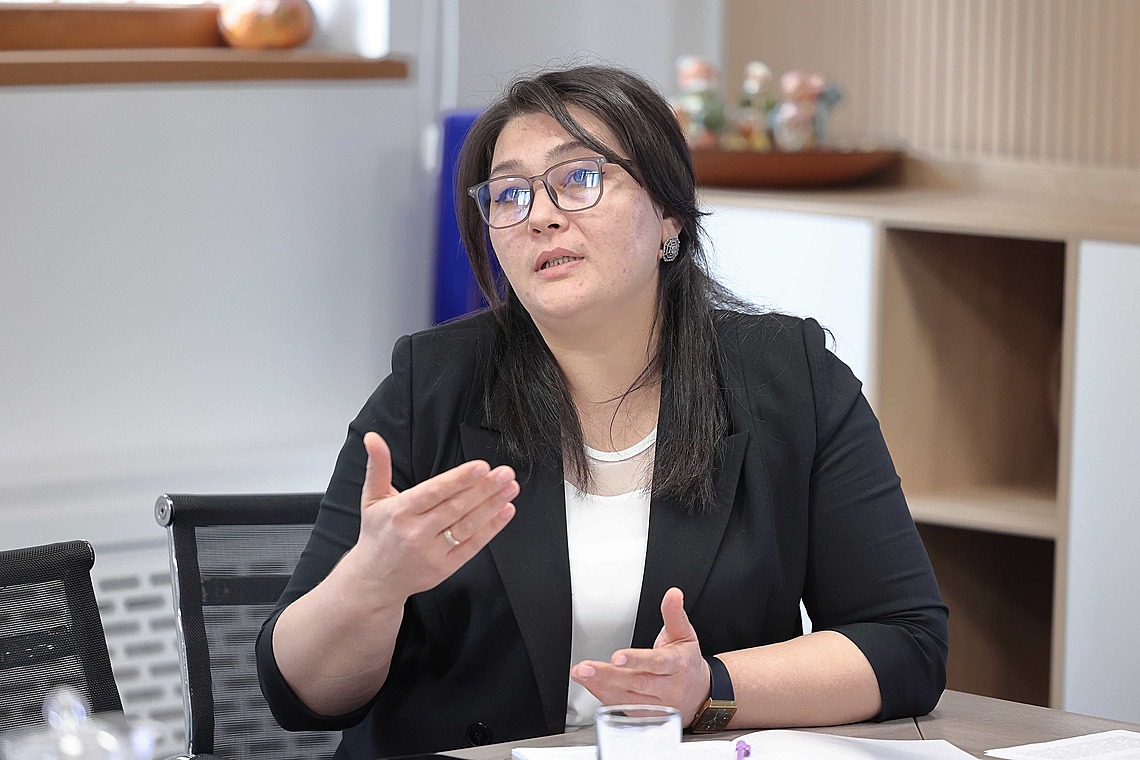
“For a long time, mental health issues in Uzbekistan did not receive sufficient attention. Even now, in many families discussions about psychological health remain taboo. In today’s digital world, when information has become more accessible, psychological health—especially that of children—can no longer be neglected. To address this, society must first make conversations about mental health the norm. The media possess enormous power in achieving this goal. But first, journalists themselves must have the skills and knowledge to properly cover topics related to people’s psychological well-being,” emphasized the Director of the Mass Media Foundation, Jakhongir Azimov, in his speech.

The importance of conveying information about mental health to a wide audience and eliminating stigma around this issue was also highlighted by UNICEF Health Adviser Shukhrat Umarhodjaev.
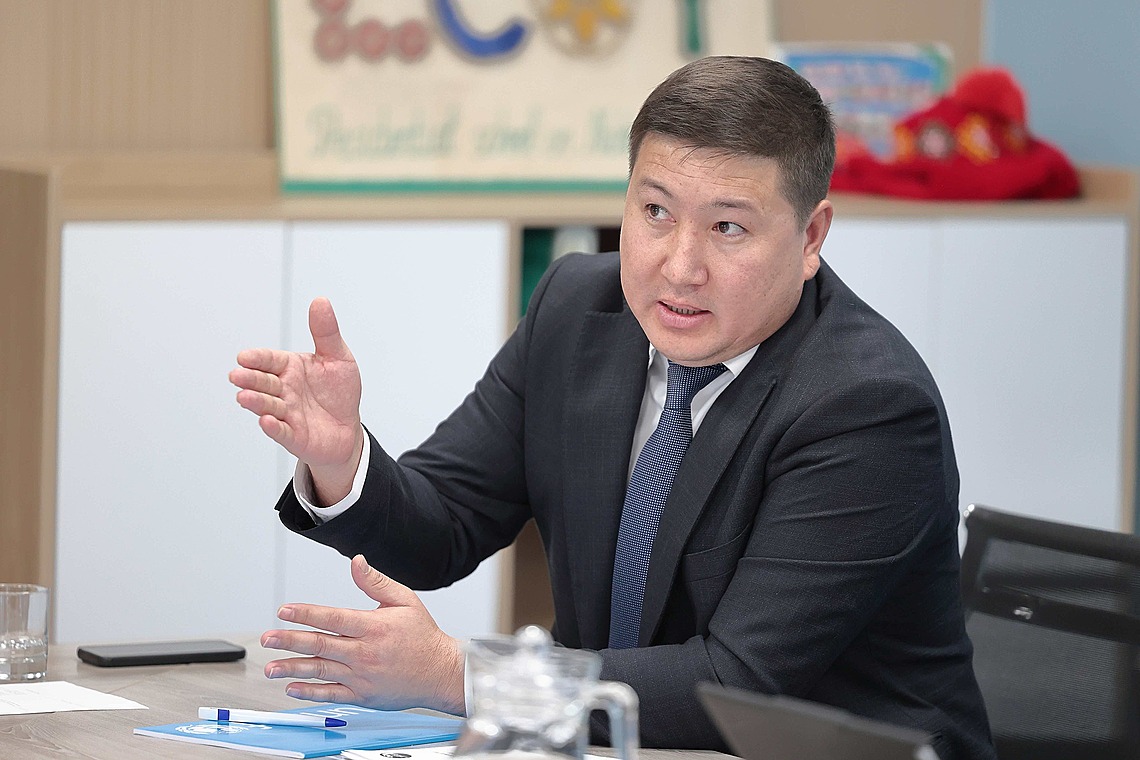
“Reality demands that public awareness of mental health issues be significantly increased. Mental health should be viewed not as a problem, but as a component of a fulfilling life. The media and bloggers can provide great assistance in this regard, but only if the topic is covered correctly. It is necessary to dispel stereotypes and myths in this field and reduce the stigma of discrimination.”
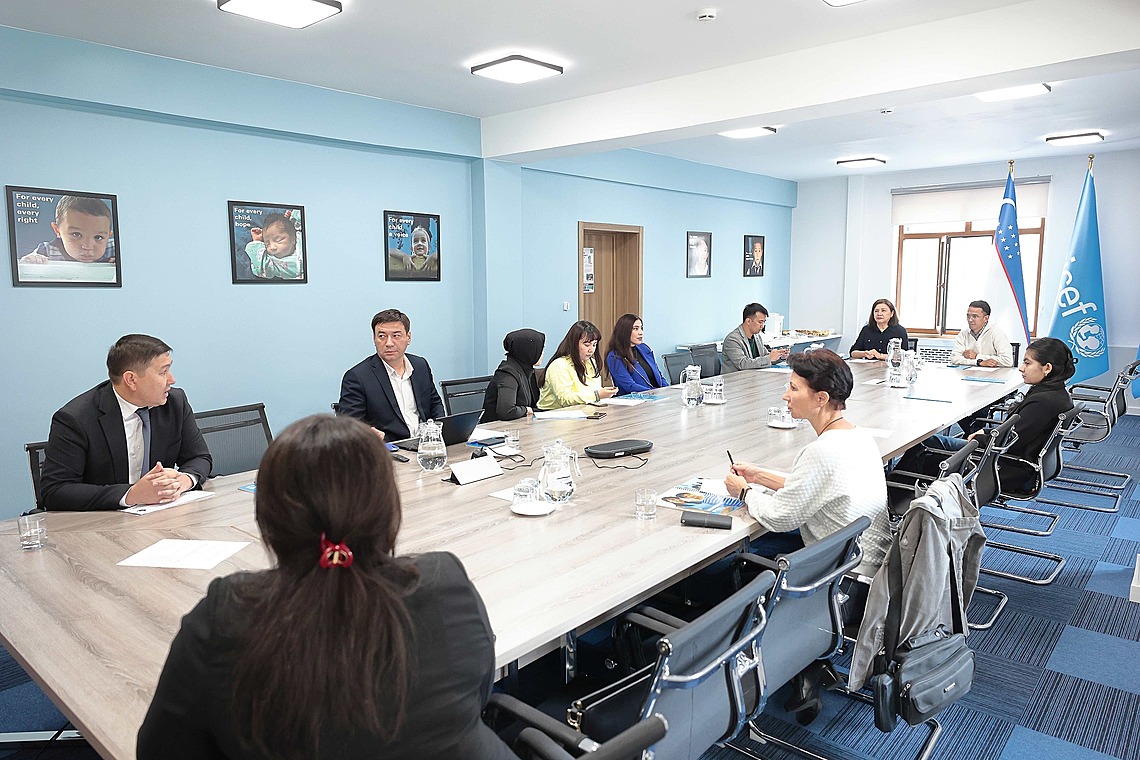
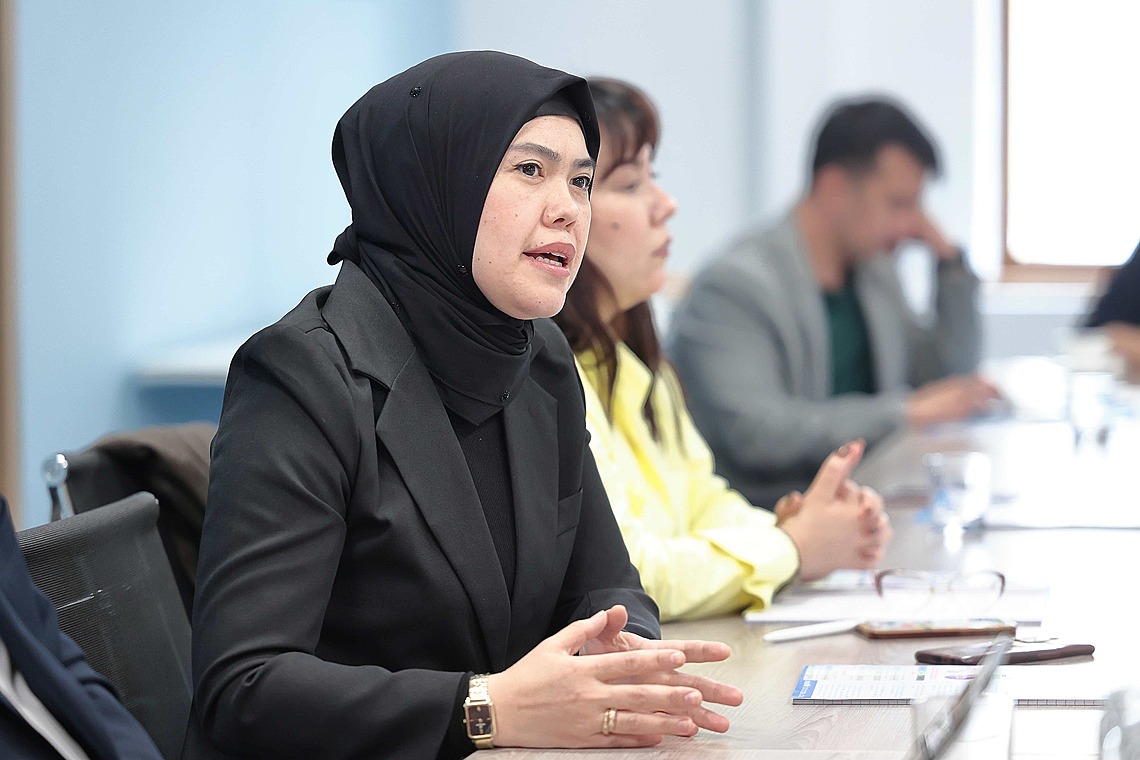
During an open dialogue, media representatives and experts discussed how to most appropriately write materials on this topic while respecting children’s rights, what legal and ethical barriers arise in the preparation of such publications, and what should be given primary attention to ensure that the information conveyed has a positive character.